
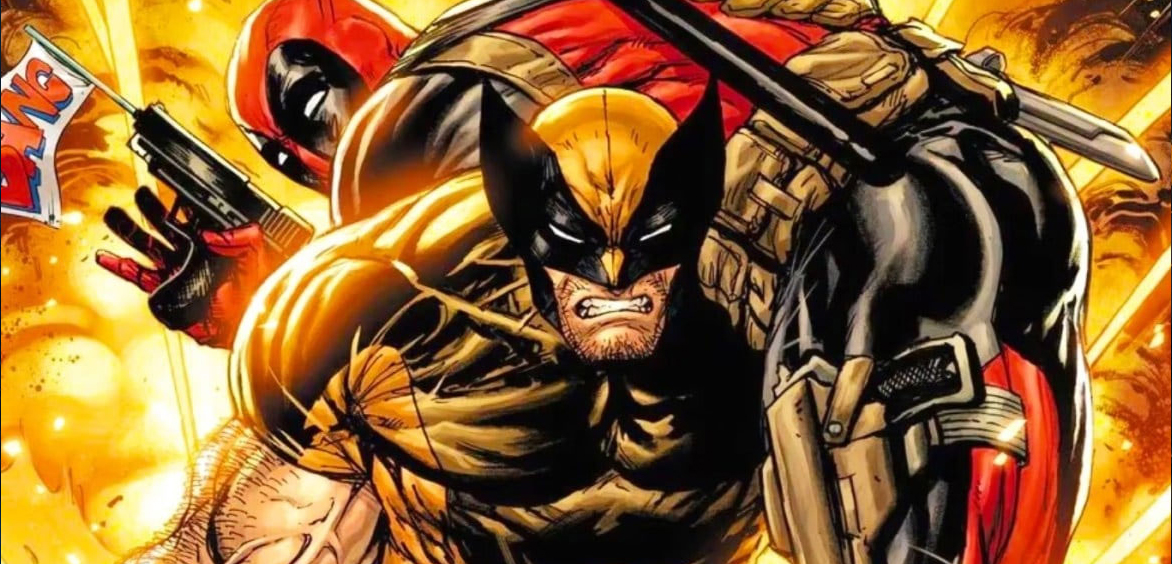
Deadpool and Wolverine are two of the most beloved and iconic characters in the Marvel universe, known for their gritty attitudes, sharp claws (and swords), and a knack for violence. Despite both being anti-heroes with healing factors, their personalities and storylines couldn't be more different. Let's dive into what makes each of them stand out and why fans adore these characters in their own right.
Deadpool, aka Wade Wilson, is a character unlike any other in the Marvel Universe. Introduced as a villain in The New Mutants #98 (1991), Deadpool quickly became a fan favorite thanks to his unique blend of humor, self-awareness, and relentless action. Portrayed by Ryan Reynolds in the films, Deadpool's charm lies in his irreverence. He constantly breaks the fourth wall, making the audience a part of his journey as he navigates the chaotic world of superheroes, villains, and meta-humor.
Humor and Meta Commentary: Deadpool is known for his quick wit and constant stream of jokes, many of which poke fun at superhero tropes, the film industry, and pop culture. This meta-commentary makes him different from any other hero, as Deadpool often acknowledges that he's in a comic book or movie.
R-Rated Action: While many superhero films stick to a PG-13 rating, Deadpool fully embraces an R-rating, with intense, often gory action sequences. His brutal fighting style matches his erratic personality, making every fight scene both thrilling and ridiculous at the same time.
Healing Factor and Regeneration: Like Wolverine, Deadpool has a healing factor that allows him to recover from almost any injury. However, unlike Logan, his healing factor is more exaggerated, allowing him to survive decapitation, explosions, and other extreme injuries—often played for comedic effect.
Tragic Backstory: Beneath the humor, Deadpool's story is one of pain and loss. After being subjected to experimental treatments to cure his cancer, Wade is left with disfigured skin and a broken psyche. This tragic backstory gives the character emotional depth that resonates with audiences, even as he cracks jokes.
Wolverine, aka Logan, is one of Marvel's oldest and most enduring characters, first appearing in The Incredible Hulk #180 (1974). Known for his claws, gruff demeanor, and constant internal struggle with his animalistic nature, Wolverine is the definition of a reluctant hero. Played by Hugh Jackman in the X-Men series and the Logan films, Wolverine's journey has been one of evolution—from a lone wolf to a central figure in the X-Men and Marvel's larger world.
Complexity and Depth: Wolverine's appeal lies in his complexity. He's a man who is constantly at war with himself. On one side, he's a feral animal capable of brutal violence, and on the other, he's a deeply moral character seeking redemption. His backstory, filled with tragedy, loss, and constant battles with his own demons, gives him a timeless quality that fans can't get enough of.
Claws and Berserker Rage: Wolverine's adamantium claws are iconic, as is his “berserker rage,” a state where he becomes uncontrollable and unleashes his full, brutal strength. The sheer physicality of Wolverine makes him a visceral and raw presence on-screen, particularly in films like Logan and X2: X-Men United, where his ferocity is on full display.
Longevity and Loss: Wolverine's healing factor means he ages slowly, resulting in an incredibly long life filled with constant loss. Over the years, he's seen friends die, loves fade, and enemies come and go, making his character weary and, at times, isolated. This theme of outliving everyone he cares about gives Wolverine an emotional weight that adds to his brooding, lone-wolf persona.
Grim but Noble: Despite his violent tendencies, Wolverine is driven by a strong moral compass. Whether he's protecting the X-Men, taking care of young mutants, or fighting for a cause he believes in, Logan's desire to do what's right often puts him at odds with his violent nature, creating a character with profound internal conflict.
While both Deadpool and Wolverine share similarities—healing factors, tragic pasts, and brutal fighting styles—their personalities and roles in the Marvel universe are quite distinct.
Tone and Humor: Deadpool thrives on humor, wit, and meta references. His movies are fun, irreverent, and designed to make you laugh, even as you watch brutal fight scenes. Wolverine, on the other hand, is serious, brooding, and often weighed down by the tragedies of his past. His stories are usually darker, with deep emotional undercurrents.
Fighting Style: Deadpool's combat style is chaotic and often comical, blending his swordsmanship with his unhinged personality. Wolverine's fighting, by contrast, is pure primal rage—focused, brutal, and efficient. While Deadpool cracks jokes during fights, Wolverine lets his claws do the talking.
Role in the Marvel Universe: Wolverine is often seen as a protector and mentor within the X-Men universe, while Deadpool is more of a wildcard—a mercenary with his own chaotic agenda. Logan's journey is about redemption and purpose, while Deadpool's is more about self-discovery and embracing his flaws.
Both Deadpool and Wolverine have earned their places as beloved Marvel icons, but for entirely different reasons. Deadpool's humor and meta-commentary bring a fresh, unique take on superhero films, while Wolverine's depth, complexity, and visceral rage give him an emotional resonance that is rare in the genre. Whether you prefer the chaotic antics of Deadpool or the brooding nobility of Wolverine, both characters offer something truly special, each contributing to the rich tapestry of the Marvel universe in their own distinct way.